

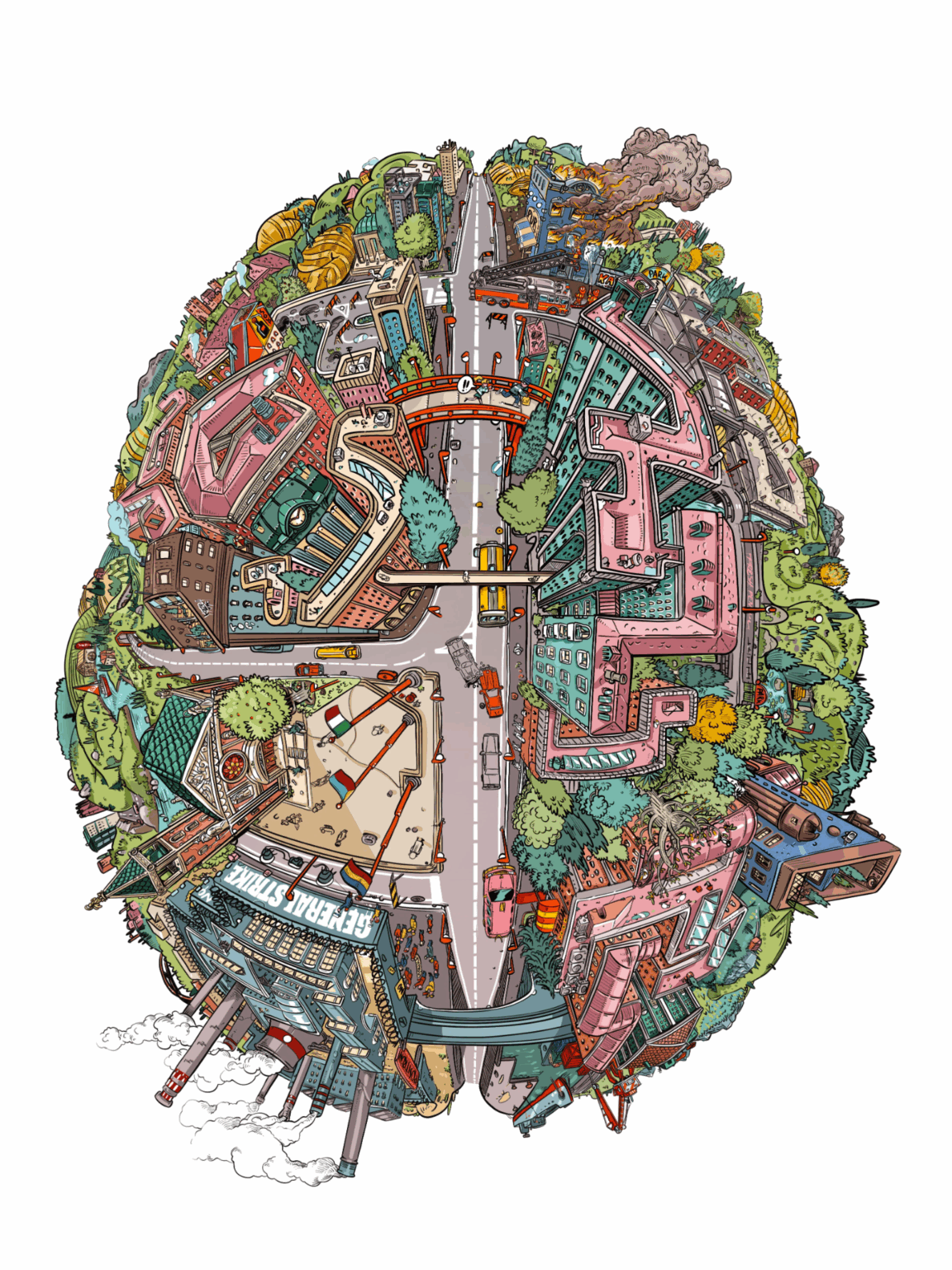
For generations, development has been measured by what can be seen: roads, buildings, bridges, and industrial zones. Nations compete over skylines, infrastructure projects, and economic statistics. Yet history shows that the most powerful and sustainable societies were not built first with concrete and steel, but with ideas, discipline, education, and long-term vision. Before nations are built physically, they must be built mentally.
At its core, social engineering is not about manipulation or control, as the term is often misunderstood. In its constructive sense, social engineering refers to the intentional shaping of values, behaviors, skills, and collective thinking to produce a productive, ethical, and resilient society. Every successful nation has practiced some form of it — through education systems, civic culture, national narratives, and long-term planning. The question is not whether social engineering exists, but whether it is guided wisely or left to chance.
Many of today’s developed countries did not arrive at their current position accidentally. Their governments invested heavily in shaping citizens who are disciplined, skilled, innovative, and motivated. This was achieved through strong public education, national service programs, investment in science and research, and the promotion of shared values such as responsibility, punctuality, respect for institutions, and belief in collective progress. These efforts were rarely short-term. They were designed with decades in mind.
A key element behind this success has been long-term planning supported by think tanks, academic institutions, policy writers, and subject-matter experts. Rather than governing only for the next election cycle, many nations created strategic visions that extended 20, 30, or even 50 years into the future. These plans asked difficult questions: What skills will our population need? What values must be protected? How do we prepare young people for a world that does not yet exist? Through research and evidence-based policy, governments shaped environments that allowed citizens to reach their full potential.
In contrast, many societies struggle not because of a lack of natural resources or talent, but because human capacity has not been deliberately developed. When education systems are weak, discipline is undervalued, and critical thinking is neglected, societies become vulnerable to division, misinformation, and short-term thinking. Economic growth becomes fragile, governance becomes reactive, and social trust erodes.
This is why building minds must come before building nations. Education should not only transmit information but cultivate discipline, curiosity, problem-solving skills, and civic responsibility. Motivation should not rely solely on survival or desperation, but on opportunity, purpose, and belief in a shared future. Citizens who are well-trained, mentally prepared, and socially grounded become the strongest infrastructure any nation can possess.
Social engineering, when guided ethically, can help align individual ambition with national progress. It can encourage productivity without crushing creativity, discipline without authoritarianism, and unity without erasing diversity. It allows societies to identify their strengths, correct harmful norms, and prepare citizens to contribute meaningfully to economic, scientific, and cultural life.
In a rapidly changing world shaped by technology, global competition, and economic uncertainty, nations can no longer afford to plan only for today. The countries that will thrive tomorrow are those investing now in human capital — minds that are educated, disciplined, motivated, and forward-thinking. Roads can be rebuilt. Buildings can be replaced. But a society that fails to develop its people risks falling behind in ways that infrastructure alone can never fix.
True development begins not with what we construct on the land, but with what we cultivate in the mind. Only by building minds first can nations hope to build futures that are stable, innovative, and enduring.