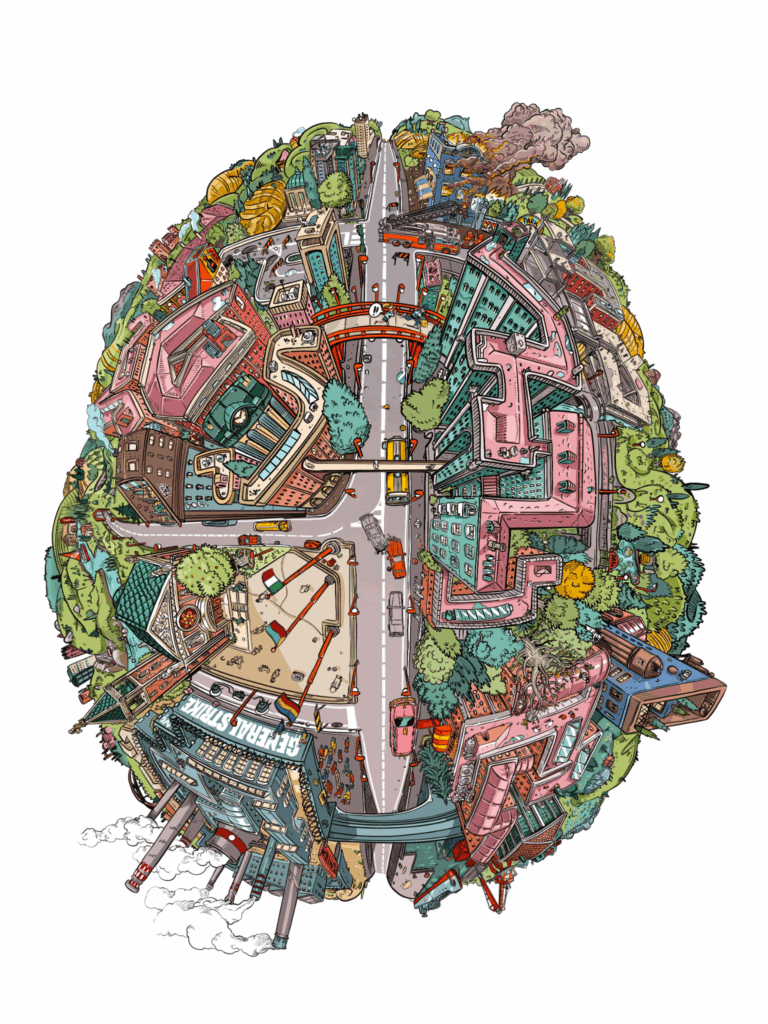

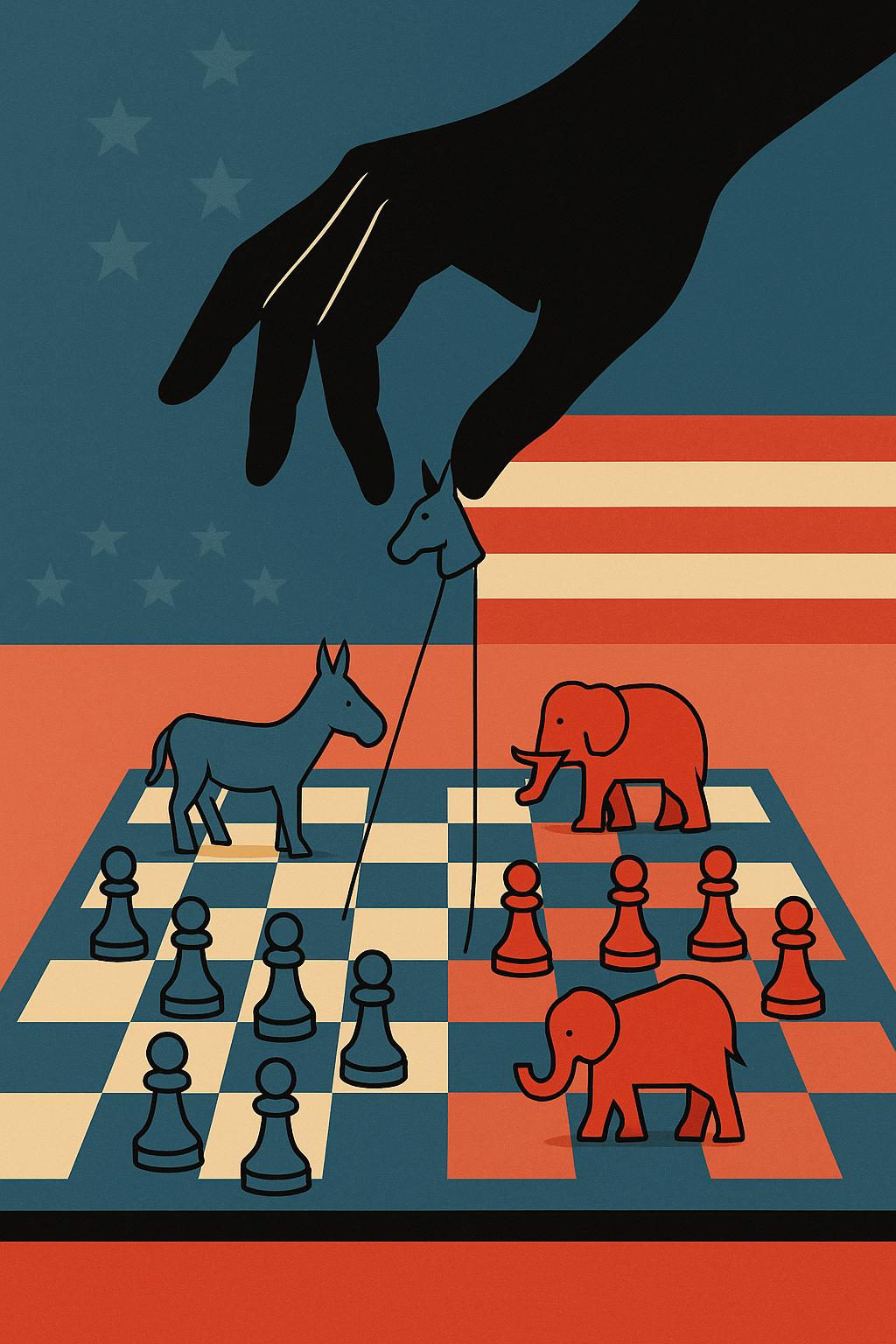
America is still divided along old lines — religion, race, gender, and political identity. It is human nature to have different ideas, and in fact, that’s the beauty of democracy and an open society. Differences should be a source of strength, not weakness.
Our debates should be over how to build better schools, create a strong healthcare system, ensure fair wages, and make our neighborhoods safe. Yet, at the peak of human knowledge and progress, it’s heartbreaking to see our divisions still defined by the color of someone’s skin, the religion they follow, or the culture they represent.
This is no accident. Throughout history, those in power have learned that labeling and separating people by race, religion, or culture is a reliable way to control them. The bigger question is not if this happens — but how they make it happen.
The Roots of “Divide and Rule”
The tactic of dividing people to maintain control is as old as civilization itself. Ancient rulers understood that a united population is powerful, but a divided one is easier to manage. The Roman Empire famously used the strategy divide et impera — divide and rule — to keep its vast territories from rebelling. By turning provinces, tribes, and communities against one another, Rome reduced the risk of a united uprising.
Centuries later, colonial powers refined the method. The British Empire, for example, used racial, religious, and ethnic differences to keep colonies under control. In India, they emphasized religious differences between Hindus and Muslims. In Africa, they exploited tribal divisions. The goal was always the same: prevent unity so resistance becomes impossible.
The formula is simple — find existing differences, exaggerate them, and feed the distrust. When people are busy fighting one another, they are too distracted to notice who is really pulling the strings. This same playbook has never disappeared. It’s just been updated for the modern age.
How Divide and Rule Works in Modern America
In today’s America, the tactics haven’t changed — only the tools. The divisions we see every day are fueled, amplified, and carefully maintained by those who benefit from them.
The first step is labeling. Once a person is placed into a category — by race, religion, gender, or political identity — it becomes easier to define them not as an individual, but as a symbol of that label. When someone is reduced to a label, it becomes simpler to stereotype, attack, or dismiss them without ever engaging with their humanity.
The second step is amplification. Political leaders, media networks, and even social media algorithms thrive on outrage. The more emotional a story is, the more attention it gets. This attention turns into profit for media companies and power for politicians. By highlighting our differences and inflaming our disagreements, they keep people in a constant state of mistrust.
One of the oldest and most damaging plays in this strategy is scapegoating immigrants. We are told they are “stealing jobs” or “draining resources” — claims that rarely hold up under scrutiny. The truth is, most immigrants work in industries many Americans avoid, such as farming, construction, cleaning, and other physically demanding jobs. These roles often involve low pay, long hours, and rough working conditions. They are essential to our economy, yet they are not the positions most people are lining up to take.
But scapegoating works because it directs anger toward those who have the least power to defend themselves — often due to language barriers, lack of legal knowledge, or fear of retaliation. While public attention is focused on blaming powerless immigrants, the real issues — growing inequality, stagnant wages, and the ever-widening gap between rich and poor — go unchallenged. The rich get richer, the poor stay poor, and the cycle of division continues.
The third step is distraction. While the public argues over race, religion, immigration, or cultural disputes, the deeper issues — economic inequality, corruption, healthcare failures, unsafe neighborhoods — remain unaddressed. Divided, we focus on fighting each other instead of questioning the systems that harm us all.
This cycle is not random. It is intentional. And it works because it appeals to our tribal instincts while keeping us too busy to see the bigger picture.
The Reality: More in Common Than Apart
If you strip away the labels and the headlines, most Americans share the same core hopes. Whether you live in a small rural town or a crowded city, whether you attend church on Sunday or not at all, whether you were born here or arrived later — you likely want the same basic things.
You want your children to have good schools and safe neighborhoods. You want access to healthcare that doesn’t drain your savings. You want a fair wage for your work and a chance to build a better life.
These are not partisan dreams. They are human needs. And when people from different races, religions, and political identities talk honestly, they often discover how much they agree on the issues that truly affect their lives.
The truth is, our divisions are thinner than they appear. The lines drawn between us are not walls — they are shadows cast by those who benefit from keeping us apart. When we choose to look beyond the labels, we can see that the person on the other side of the political, racial, or religious divide has more in common with us than with the elites who claim to represent us.
Why Unity is Powerful — and Feared
Unity is dangerous — not for the people, but for the powerful. A united society can demand fair wages, push for universal healthcare, and challenge laws that serve only the wealthy. It can hold leaders accountable, close corporate tax loopholes, and pass reforms that truly benefit the majority.
That’s why the “divide and rule” strategy remains so effective: unity threatens the entire system of inequality. If we stood together — across race, religion, and political identity — we could reshape the country in a way that works for everyone. And that is exactly what those at the top hope to prevent.
Conclusion: See the Person, Not the Label
If we want a better America, we must stop letting labels define us. See the human being before the category. Seek common ground, even when it’s hard. Talk to people who don’t look like you, pray like you, or vote like you.
Because the moment we stand together, the old playbook of divide and rule stops working. And when that happens, the power returns to where it belongs — in the hands of the people.