
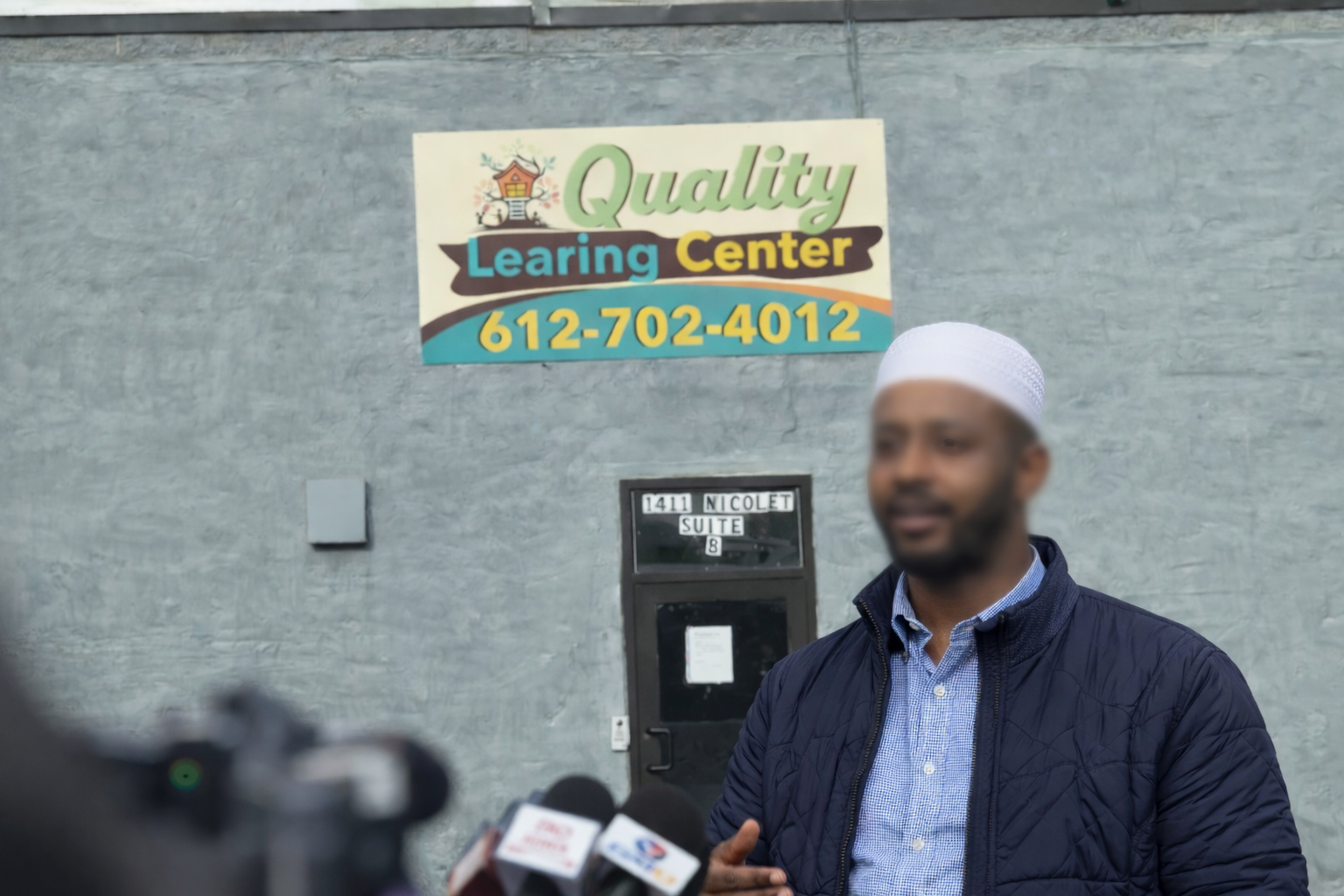
Across the United States, Somali Americans are facing a troubling and familiar reality: collective blame. What began as the prosecution of a limited number of individuals accused of fraud has expanded into a broader narrative that assigns suspicion and guilt to an entire community. This is not confined to one city or one state. From Minneapolis to Somali communities nationwide, the consequences are being felt collectively—through fear, harassment, discrimination, and the erosion of dignity. What is unfolding is not justice, but a dangerous shift toward criminalizing identity.
Fraud is not unique to any race, religion, or community. In recent years, fraud cases have been prosecuted across the country, involving individuals of many racial and ethnic backgrounds. The majority of these cases have involved white defendants, yet they have not resulted in public suspicion of white communities as a whole. By contrast, cases involving Somali defendants have been used to cast a shadow over Somali Americans broadly. Somali-owned businesses have faced scrutiny, neighborhoods have been stigmatized, and mosques and community centers have been subjected to hostility. Families have reported harassment, threats, and hate crimes unrelated to any individual wrongdoing, but clearly tied to who they are.
This unequal response has been amplified by rhetoric that extends beyond media narratives or isolated voices. Statements and language coming from the highest levels of government—including the president and echoed by political supporters—have reinforced the idea that an entire community can be treated as suspect. When such rhetoric comes from positions of power, it does not remain symbolic. It legitimizes harassment, emboldens discrimination, and signals that collective judgment is acceptable.
Collective blame has never been a tool of public safety. It is a tool of fear. When a community is blamed as a whole, innocent people are forced to live under constant uncertainty, unsure which everyday actions might be misinterpreted. Visibility becomes risky. Silence becomes protective. Over time, fear replaces trust, and civic participation declines. Communities withdraw not because they are unwilling to engage, but because engagement feels unsafe.
For Somali Americans, this experience echoes earlier chapters of American history. Japanese Americans were once collectively punished during World War II, not for individual crimes, but for who they were. After September 11, Muslim communities across the country were broadly treated as inherently suspicious, regardless of citizenship or conduct. In each case, fear overrode constitutional principles, and collective blame was later recognized as a grave injustice. The current rhetoric surrounding fraud follows the same logic: identity replaces evidence.
Although the focus is often placed on specific cities, the impact is national. Somali Americans across the United States report increased suspicion in employment, anxiety around their places of worship, and pressure to distance themselves from their own communities. When one group is publicly framed as criminal, every member carries that burden, regardless of where they live or how they conduct their lives. This is the true cost of collective blame: punishment without proof and fear without justification.
The response to this moment cannot be silence or isolation. Somali Americans must come together across states and cities, working with local and federal elected representatives, civil rights and human rights organizations, and experienced law firms to defend their constitutional protections. Legal advocacy and civic engagement are not admissions of guilt; they are assertions of citizenship and dignity. No community should accept inherited suspicion or internalize blame for crimes they did not commit.
The hypocrisy underlying this moment is difficult to ignore. In the past year alone, dozens of major fraud cases have occurred across the United States, involving defendants from nearly every racial background. These cases did not lead to collective suspicion of entire communities, nor did they spark national rhetoric questioning the loyalty or legitimacy of those groups. The selective outrage directed at Somali Americans reveals an uncomfortable truth: this is not about crime, but about politics, race, and religion. It is an old playbook—one that history has shown repeatedly leads to injustice and division.
Justice cannot survive where collective blame replaces individual accountability. A constitutional democracy depends on due process, equal protection, and the principle that guilt is personal, not inherited. Somali Americans, like all Americans, deserve the right to live, work, and worship without intimidation or suspicion. When identity becomes evidence, justice collapses—and fear takes its place.