Iran stands at a defining moment in its modern history. Years of political repression, economic decline, and social frustration have converged into a sustained period of unrest that raises a fundamental question: where does the country go from here, and what future awaits the Iranian people?
At the center of this moment is the political structure of the Islamic Republic of Iran, a system built on clerical authority, centralized power, and security enforcement. Since the 1979 revolution, the state has relied on a combination of ideology, patronage, and coercion to maintain control. Over time, however, that control has become increasingly dependent on force rather than consent. Public trust in state institutions has steadily eroded, particularly among younger generations who see little connection between their daily struggles and the promises of the ruling system.
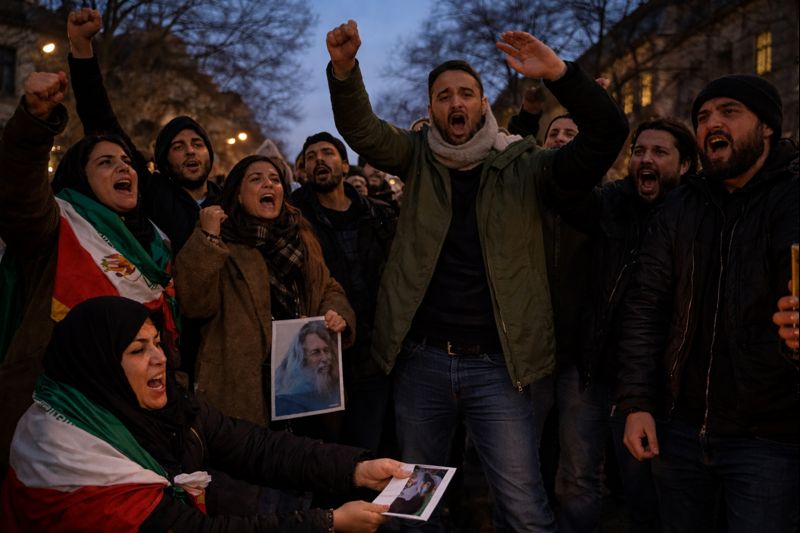
The protest movements that have emerged across Iran in recent years are not isolated incidents but part of a broader pattern of dissatisfaction. While each wave of demonstrations has been triggered by specific events—economic shocks, social restrictions, or political grievances—the underlying causes remain consistent. High unemployment, especially among educated youth, rising living costs, currency instability, and widening inequality have created a sense of permanent economic insecurity. For many Iranians, the promise of stability in exchange for political obedience has simply failed.
The state’s response to protest has followed a familiar trajectory. Security forces, including the Islamic Revolutionary Guard Corps, have played a central role in suppressing dissent through arrests, surveillance, and force. Periodic restrictions on communication and media access have further limited public organization and visibility. These measures may succeed in the short term, but they deepen resentment and reinforce the perception that the regime governs through fear rather than legitimacy.
Economic decline has amplified these tensions. Decades of sanctions, compounded by internal mismanagement and corruption, have left Iran’s economy fragile and vulnerable. Inflation has eroded purchasing power, savings have been wiped out, and access to basic goods has become increasingly difficult for large segments of the population. While the state continues to prioritize regional influence and security spending, many citizens feel abandoned by an economic system that no longer works in their favor.
This disconnects between the ruling elite and society has produced a legitimacy crisis. The leadership, anchored by the authority of the Supreme Leader Ali Khamenei, continues to frame unrest as foreign-driven or marginal. Yet the geographic spread, social diversity, and persistence of protests suggest something deeper: a widespread belief that the current political and economic order cannot meet the needs of the population.
The question of what comes next does not have a single answer. One possible path is continued repression and stagnation. The state retains powerful security institutions and has shown a willingness to absorb international criticism in exchange for domestic control. Under this scenario, protests may flare and subside, but meaningful reform would remain elusive. Economic hardship would persist, driving further emigration, brain drain, and social fatigue.
Another possible path involves limited reform from within the system. Faced with mounting pressure, some elements of the political elite may seek to ease social restrictions, adjust economic policy, or reduce tensions with the outside world in order to stabilize the system. Such reforms, however, would likely be cautious and tightly controlled, aimed more at preserving the existing order than transforming it.
A more uncertain but consequential path would be the emergence of a sustained, unified movement capable of forcing structural change. While protests have demonstrated courage and resilience, they have also revealed the challenges of organization under repression. Leadership fragmentation, communication barriers, and the absence of a clear transitional vision have limited the ability of dissent to translate into political power. Whether Iranian society can overcome these obstacles remains an open question.
For the Iranian people, the stakes are high regardless of the path taken. Continued repression risks deeper isolation, economic decay, and social despair. Incremental reform may ease immediate pressures but could fall short of addressing fundamental demands for dignity, participation, and accountability. Transformational change carries both hope and risk, offering the possibility of a new political order while exposing society to uncertainty and instability.
What is clear is that Iran’s future will be shaped less by external actors than by the internal relationship between the state and its citizens. The durability of any system ultimately depends on its ability to adapt, respond, and earn legitimacy. A society that feels unheard will continue to push back, even at great personal cost.
Iran is not simply facing a protest movement or an economic downturn. It is confronting a deeper question about governance, identity, and the social contract between rulers and the ruled. What comes next will depend on whether power continues to close in on itself, or whether space is created for a future defined by inclusion, accountability, and genuine reform.