
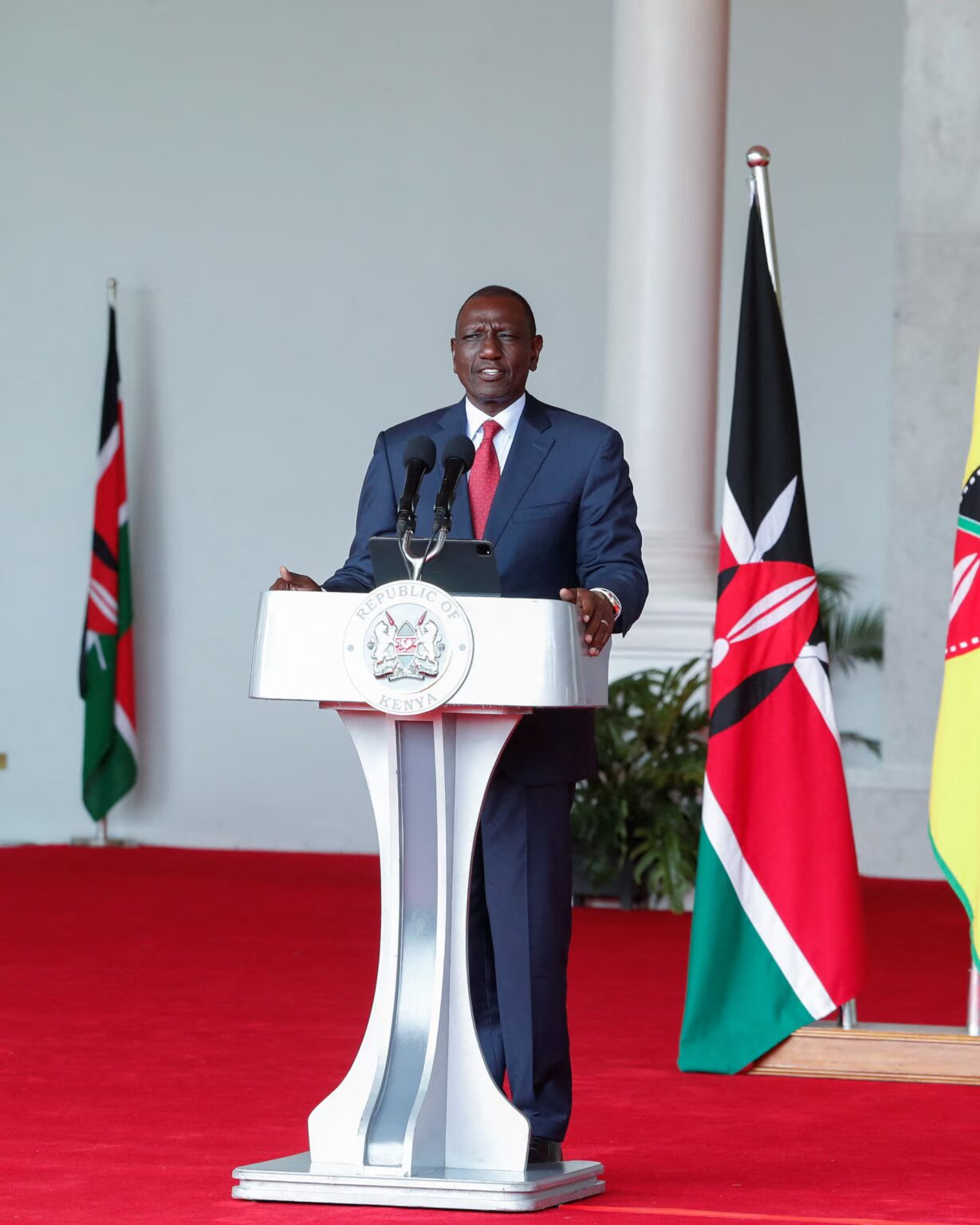
Africa is entering a new era of leadership, shaped by rising expectations, economic pressure, and a rapidly growing young population. This series examines Africa’s presidents with clarity and honesty—highlighting their achievements, their failures, and the pressures that define their leadership. We begin with Kenya’s President William Ruto, a leader whose ambitions, controversies, and reforms reflect the challenges facing many African nations today.
William Ruto became president in 2022 promising to lift the “hustler” class—ordinary Kenyans struggling with high prices and limited opportunity. His administration has focused heavily on agriculture, financial reforms, infrastructure expansion, and global diplomacy. One of his most notable achievements has been the introduction of agricultural insurance and risk-management programs, offering protection to farmers and pastoralists whose livelihoods depend on unpredictable weather and market conditions.
Ruto has also pursued long-term economic strategy through the creation of sovereign wealth and infrastructure funds, designed to reduce Kenya’s reliance on external debt. On the global stage, he has strengthened ties with Gulf nations, expanded Kenya’s influence in climate diplomacy, and positioned the country as a leading voice for African economic restructuring and renewable energy.
Despite these achievements, Ruto’s presidency has significant shortcomings. The cost of living remains extremely high, with many Kenyans feeling the pressure of rising taxes and unstable prices. Youth unemployment continues to be a major source of frustration, and policies encouraging young people to work abroad have been criticized as short-term and unsustainable. Public demonstrations against tax proposals have raised concerns about governance, with reports of excessive policing and limited space for civic expression.
Transparency is another area where Ruto’s administration has struggled. Controversy around privatization efforts, foreign investment deals, and the pace of economic reform has contributed to public mistrust. Many Kenyans feel excluded from policy decisions that affect their daily lives, creating a gap between the government’s vision and the people’s lived reality.
In several critical areas, Ruto’s leadership is falling behind public expectations. Economic reforms, while ambitious, have been slow to deliver tangible relief. Promises to combat corruption have not translated into the sweeping reforms many hoped for. And although Kenya’s international profile is rising, domestic challenges—especially affordability and opportunity—threaten to overshadow diplomatic progress.
Moving forward, Ruto’s ability to improve the lives of Kenyans will depend on prioritizing job creation, reducing economic pressure on working families, strengthening accountability, and deepening public engagement. Balancing long-term reform with immediate relief will be essential for restoring trust and building momentum.
As this series continues, we will review other African leaders shaping the continent’s future. Africa holds immense promise—but its progress depends on leadership that can withstand pressure, deliver results, and unite nations behind a shared vision.