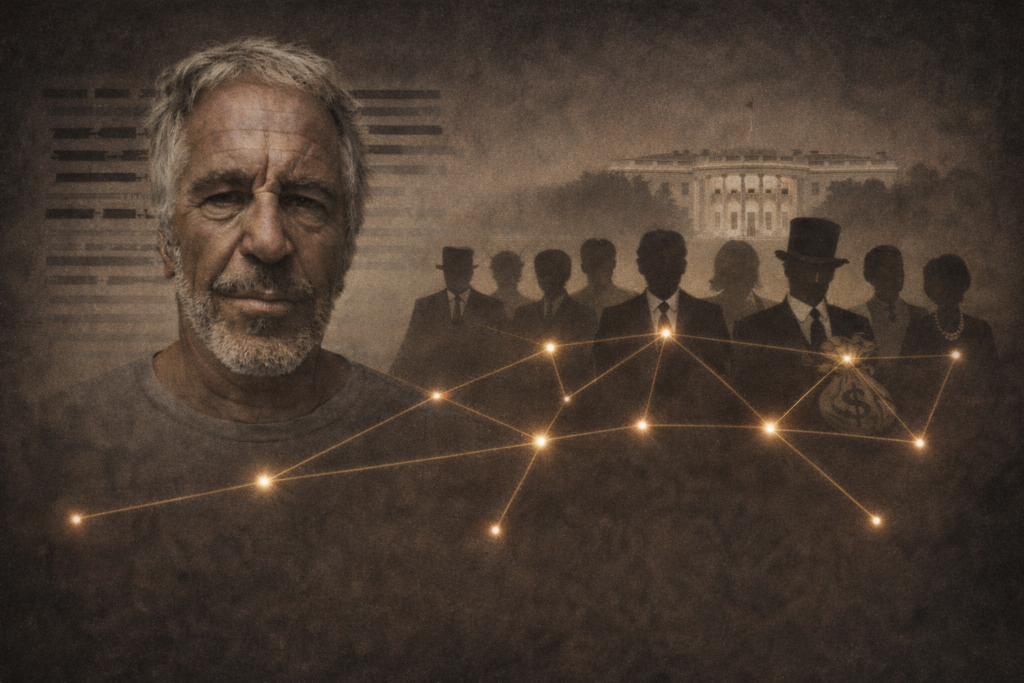

In challenging times, a nation’s deepest weaknesses often come to the surface. Over the past several years, the United States has faced growing polarization, economic strain, and rising mistrust among communities. Beneath these pressures lies a dangerous pattern: the use of division and blame to distract people from the larger issues affecting their daily lives. When minority communities become political targets and when Americans turn against one another, the country loses sight of the real challenges it must confront. Three issues highlight this troubling trend: the use of distraction through selective targeting, the experiences of Somali Americans facing intensified scrutiny, and the broader struggles that too often go unnoticed while the public remains divided.
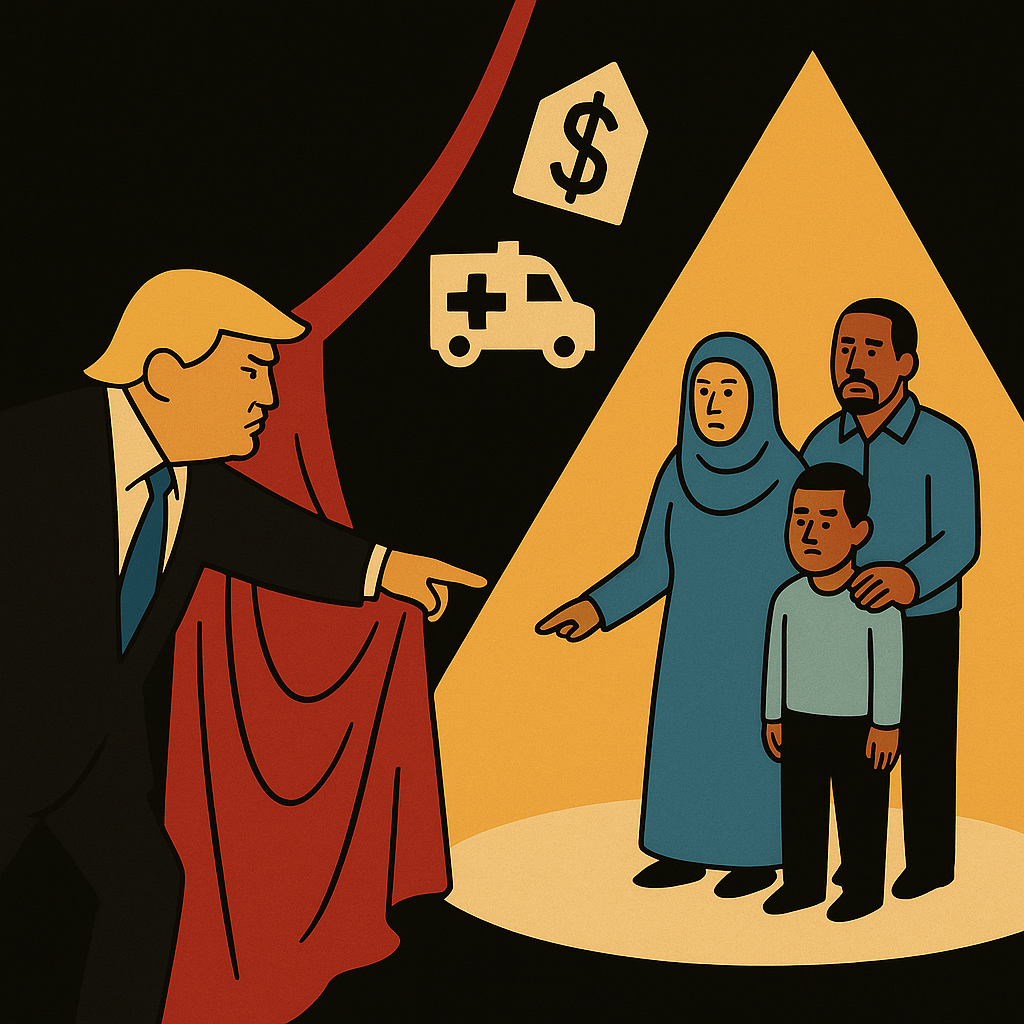
Political Distraction and the Targeting of Vulnerable Groups Throughout history, it has been common for leaders to shift attention away from difficult national problems by placing blame on specific communities. Many observers argue that in recent years, this tactic has become more visible in the United States. Instead of focusing on rising costs of living, access to healthcare, or economic inequality, the public conversation is frequently steered toward fear of certain minority groups.
This strategy may influence public emotions, but it does little to solve real problems. When people are encouraged to see one another as threats, they become less able to recognize the policies and decisions that impact their everyday lives. Division becomes a distraction, and frustration is aimed horizontally at neighbors rather than upward at systems that need reform.
The Somali Community: A Reflection of a Larger Pattern The Somali-American community offers a clear example of how targeted pressure affects not only one group, but the broader national fabric. Many Somali refugees came to the United States seeking safety, stability, and opportunity. They rebuilt their lives through perseverance, opening businesses, supporting families, and contributing to the economy.
Yet in recent years, Somali Americans have faced intensified immigration enforcement, increased surveillance, and broader suspicion in public narratives. These experiences are made even more painful by the reaction from some other minority communities, who may overlook or even dismiss the seriousness of the situation. But history teaches a crucial lesson: when one group is targeted without widespread opposition, the pattern rarely stops there. Injustice does not stay confined; it expands. The struggles of Somali Americans today may foreshadow challenges that other communities could face tomorrow. Recognizing their experiences is essential not only for justice, but for the protection of all marginalized groups.
The Bigger Issues We Are Missing While We Fight Each Other As tension rises and suspicion grows between communities, the nation’s most urgent challenges continue to worsen — often unnoticed and unaddressed. While people argue, label one another, and point fingers, the deeper systemic issues affecting all Americans quietly intensify. Housing costs have reached unsustainable levels, forcing families across the country to struggle with rent or mortgages that take up most of their income. Many households now live on the edge of financial instability, unsure how long they can afford a place to call home.
At the same time, inflation is reshaping everyday life. The price of basic necessities — food, transportation, utilities — has risen sharply, squeezing budgets and leaving millions of people working harder while falling further behind.
Healthcare access is also becoming a major crisis. Long wait times, high medical bills, and shortages of essential services leave too many Americans without the care they need. Rural communities face closing hospitals, urban communities face overwhelmed clinics, and nearly everyone feels the pressure of a system that no longer meets demand.
These problems impact every community, no matter the background or identity. Yet they receive far less attention when public conversations are dominated by fear, blame, and division. The more people are encouraged to mistrust each other, the less they notice the policies, systems, and economic forces shaping their lives. And as long as communities remain distracted and divided, the collective power needed to address these issues continues to weaken.
Why the Somali Community Matters — and What Their Experience Teaches Us The experiences of the Somali community highlight a larger truth: when one group suffers silently, all groups stand at risk. Their story reveals how quickly policies and narratives can turn against those who lack broad public protection. But it also offers a reminder of the power of solidarity.
When communities understand that their struggles are connected, they can build alliances that strengthen their voice. When they refuse to be distracted by division, they can demand meaningful solutions to the real issues facing the nation. And when they stand with those who are targeted, they create a society where fairness and safety extend to everyone.
Conclusion: A Call for Unity Beyond Labels The cost of division in America is high — economically, socially, and morally. As long as communities remain divided, the problems that affect all Americans will continue to grow. But when people look past labels and recognize their shared challenges, unity becomes possible. The Somali community’s experiences should not be ignored; they should be understood as part of a larger struggle for justice, dignity, and equality. Their story shows why every minority community matters — and why America’s future depends on standing together instead of being torn apart.