

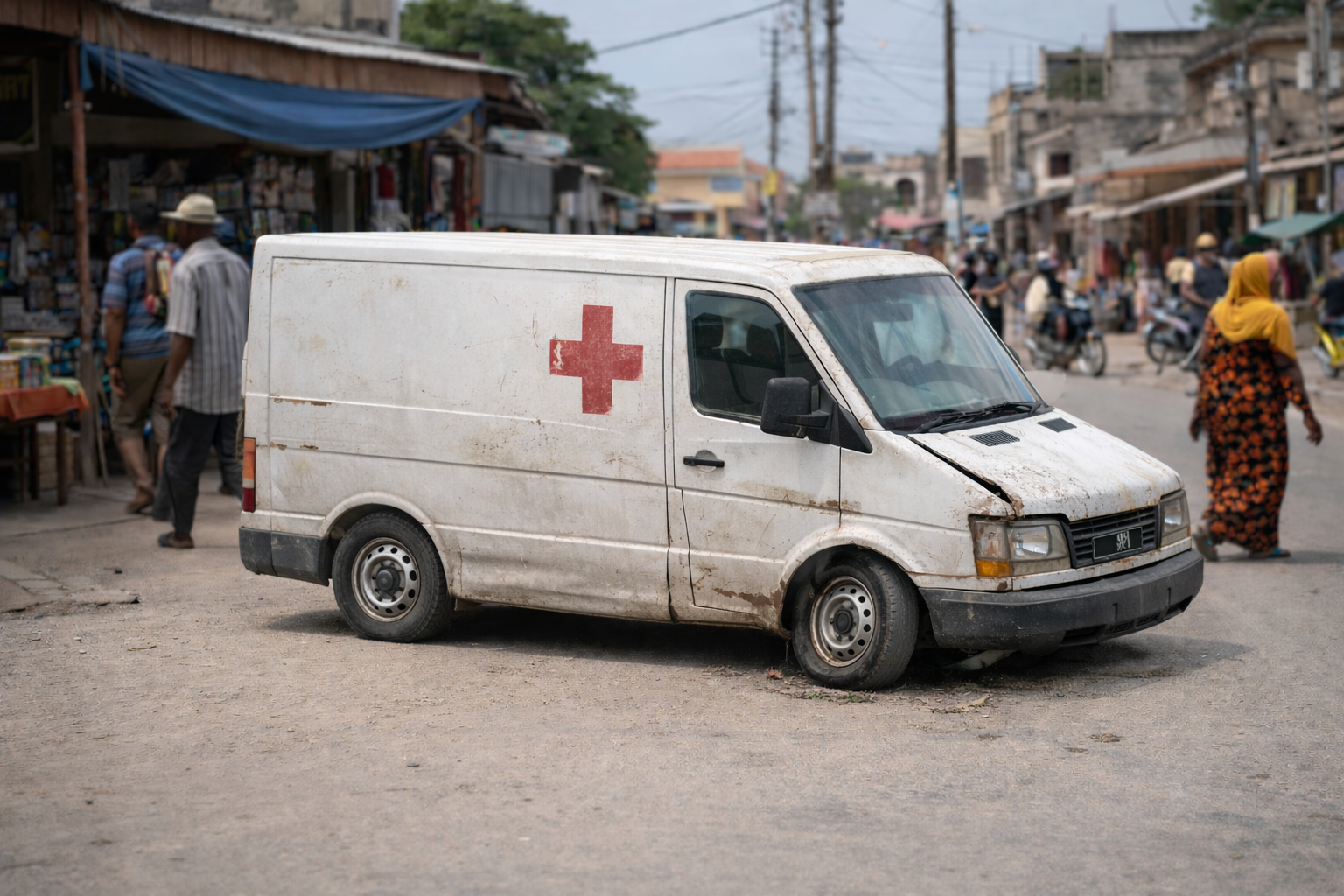
Public health discussions in Africa often focus on visible shortages—too few hospitals, overstretched medical staff, limited budgets. These explanations are accurate but incomplete. They overlook a quieter force that consistently undermines health outcomes even where treatment exists: the social practice of shaming the sick. Across the continent, stigma has become an invisible driver of delayed care, interrupted treatment, and preventable death.
In many African societies, illness is not treated as a neutral medical condition. It is moralized. A persistent cough becomes a source of suspicion. A diagnosis becomes a label that follows a person beyond the clinic. The fear is not only of the disease itself, but of the social consequences that accompany it—gossip, exclusion, loss of work, or diminished standing in the community. Faced with these risks, people often behave rationally by hiding symptoms or avoiding care altogether.
Tuberculosis illustrates this dynamic with painful clarity. TB is curable, and effective treatment has been available for decades. Yet the disease continues to kill at scale, in part because stigma delays diagnosis and disrupts treatment. People conceal symptoms to avoid being identified as contagious or socially undesirable. Others interrupt medication to avoid being seen at clinics. The result is prolonged transmission and higher mortality—not because medicine fails, but because social fear intervenes first.
The same pattern appears in HIV. Despite major advances in testing and treatment, stigma continues to shape behavior across the entire care continuum. Fear of discrimination discourages people from testing early. Disclosure remains fraught. Treatment adherence suffers when patients hide medication or disengage from services to avoid exposure. These individual decisions, shaped by social pressure, have cumulative effects that undermine epidemic control.
Other conditions reveal similar dynamics. Epilepsy, for instance, is still widely misunderstood in parts of Africa, sometimes framed through non-medical explanations that lead to exclusion from school, employment, and community life. Chronic and visible illnesses such as leprosy or cancer can carry long-lasting social consequences that discourage early diagnosis and sustained care. In each case, stigma transforms a medical condition into a social liability.
This is not simply a matter of tradition or belief. It is a failure of public leadership. Governments and health authorities have invested heavily in clinical responses while often neglecting the social environments that determine whether people use health services in the first place. Public education campaigns frequently explain how diseases spread and how they are treated, but stop short of confronting the stigma that deters people from seeking help. In that vacuum, misinformation hardens into norm.
Health systems themselves can inadvertently reinforce fear. Overcrowded clinics, weak privacy protections, and casual handling of patient information make confidentiality uncertain. When people believe a diagnosis will become community knowledge, the clinic becomes part of the risk rather than a refuge. Trust erodes, and with it the effectiveness of care.
What emerges is a structural problem. Stigma does not operate at the margins of public health; it reshapes outcomes at scale. It delays diagnosis, weakens adherence, increases transmission, and ultimately raises costs for already strained systems. Treating it as a cultural side issue rather than a policy priority allows preventable harm to persist.
Addressing this requires more than appeals to compassion. It demands institutional responses. Governments must recognize stigma as a measurable barrier to health and integrate its reduction into disease-control strategies. Public communication must directly challenge the idea that illness is shameful or blameworthy. Health systems must enforce confidentiality rigorously, signaling that seeking care will not expose patients to social punishment.
Africa’s health challenges are often described as problems of scarcity. But evidence across multiple diseases suggests that social judgment can neutralize medical progress as effectively as any shortage of drugs or doctors. When illness is treated as disgrace, people retreat into silence, and disease thrives unseen.
Shame, in this sense, is not merely a social failing.
It is a public health crisis—quiet, persistent, and entirely preventable.