
Africa is a continent overflowing with natural wealth, human capital, and untapped potential. Yet despite its abundant resources, African nations continue to trade more with distant foreign markets than with each other. This pattern, rooted in colonial-era trade structures and reinforced by modern global economics, has slowed Africa’s journey toward self-sufficiency and prosperity. A stronger, more united Africa can only emerge when African countries begin to prioritize trade within the continent.
Africa’s natural resources are vast enough to supply key industries and support thriving internal markets. Kenya leads global tea production, Ethiopia and Ivory Coast dominate coffee exports, and DR Congo holds some of the world’s most valuable mineral reserves. Nigeria and Angola supply oil, Botswana leads in diamonds, and Somalia boasts the longest coastline on the continent. Yet instead of trading these resources among themselves, African countries often look outward. This leads to absurd realities: Kenya imports fish from Norway while sitting next to Somalia, a country with immense fishing potential. Some African nations import tea from overseas while Kenya produces some of the world’s best. Africa produces what Africa consumes, but African countries rarely buy from each other.
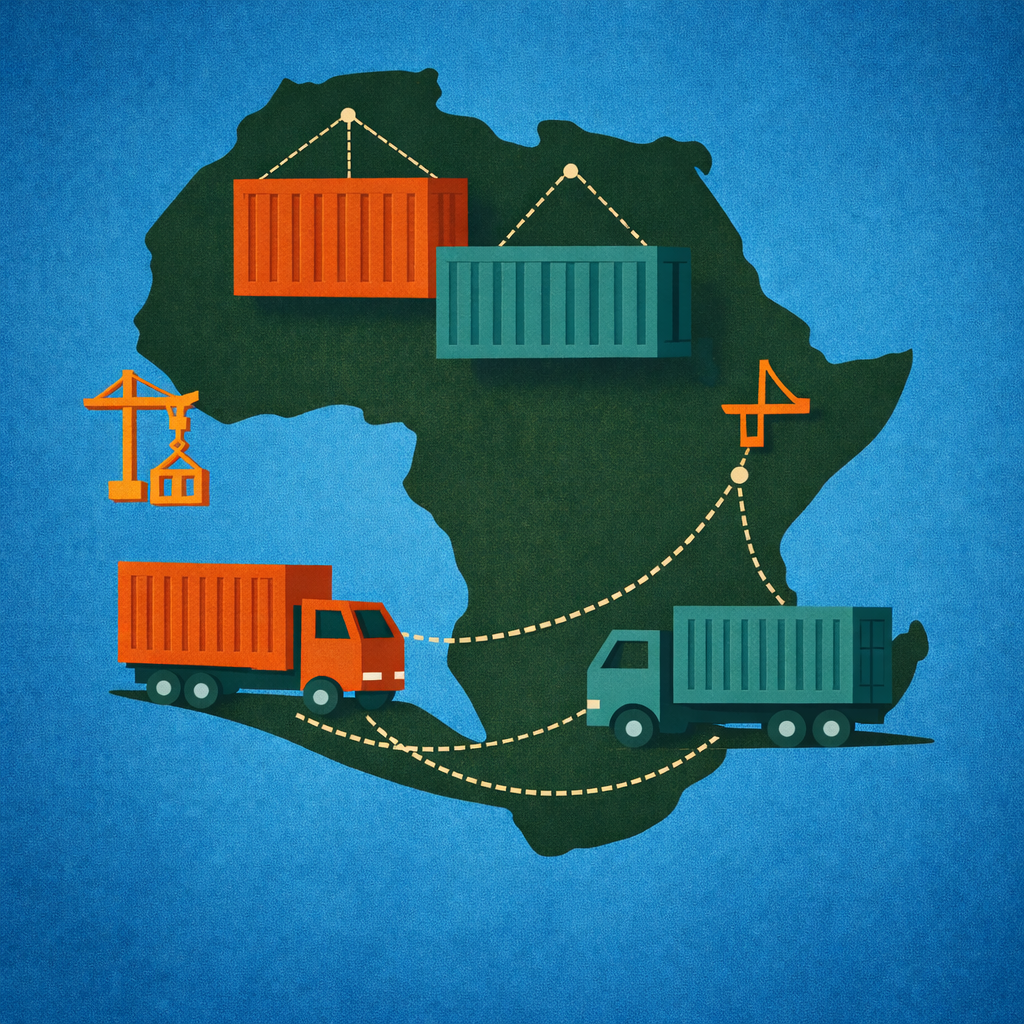
A major shift could come from fully implementing free trade across the continent. The African Continental Free Trade Area (AfCFTA) aims to remove tariffs, streamline customs processes, and allow goods, services, and people to move freely across borders. If embraced wholeheartedly, it would open doors for countries to specialize, increase production, and sell to their neighbors at lower costs. Goods would become more affordable, industries would expand, and wealth that currently flows out of Africa would circulate within the continent.
The benefits of intra-African trade are immense. Strong internal trade stimulates local industries, creates millions of jobs, and strengthens small and medium-sized enterprises. Producers gain access to larger markets, triggering innovation and competition. Transporting goods within Africa is cheaper than shipping across oceans, and reduced tariffs make products more accessible to citizens. Beyond economics, increased trade strengthens regional unity—countries that trade with each other are more likely to cooperate politically and socially, reducing conflict and boosting stability.
But building a strong internal market comes with challenges. Infrastructure gaps remain one of Africa’s biggest obstacles—poor roads, outdated railway networks, inefficient ports, and inconsistent electricity make moving goods slow and expensive. Political instability in some regions discourages investment and makes trade risky. Some nations worry about being overshadowed by larger economies like Nigeria, South Africa, Egypt, or Kenya. Additionally, foreign governments and corporations who benefit from selling goods to Africa and buying raw materials from the continent may quietly resist Africa’s push for economic independence.
To unlock Africa’s hidden wealth, African countries must address these barriers. Massive investment in infrastructure is essential: modern highways, connected rail systems, efficient seaports, and reliable power grids will lay the foundation for smooth trade. Borders must become more efficient by reducing corruption, simplifying paperwork, and adopting digital customs systems. Political leaders must commit to peace, stability, and policies that encourage open markets within the continent. The African Union must take the lead in harmonizing laws and ensuring that AfCFTA becomes a practical reality, not just a signed agreement.
Another major step is building industries that process raw materials locally. Africa loses billions each year by exporting raw resources and buying back finished products at higher prices. A united African market should prioritize producing chocolate from African cocoa, processing fish from African shores, refining African oil, manufacturing African steel, and packaging African tea for African consumers. This shift will create jobs, reduce dependency, and allow Africa to control the full value chain of its own resources.
Foreign countries may not welcome a self-sufficient Africa because it threatens their economic influence. But the future of the continent cannot be shaped by external interests. It must be shaped by a united vision among African leaders and citizens—a vision built on cooperation, shared wealth, and continental pride.
Africa already has the resources. It has the people. It has the markets. What it needs now is unity, political will, and the courage to trade within its own borders. The hidden wealth Africa ignores is not just minerals, oceans, or fertile land—it’s the power of African nations trading with each other and choosing to rise together.